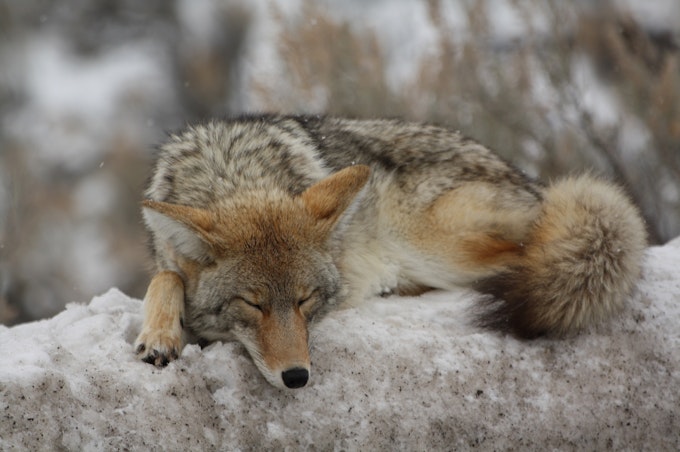
Yellowstone's Most Adaptable Animal: The Coyote

Over the next few months, Yellowstone National Park will be going through one of its most drastic seasonal changes, the transition from winter to spring.
Snow is progressively starting to melt, temperatures are slowly rising, roads are being plowed and a lot of the parks’ wildlife are making their way back into frame. Some are coming out of hibernation, some are migrating back into the area and others are just easier for us to get to as the snow melts.
When it comes to wildlife in the park and the Greater Yellowstone ecosystem, it’s hard not to default to bears, wolves and bison…but those three species are just the tip of the iceberg. Yellowstone has the largest concentration of mammals in the lower 48 states, 67 species, so after seeing the top three to five more popular park residents, you can dive deep into finding the other 60-something locals. In the first article of this series, we talked about the pronghorn. This one’s all about coyotes.
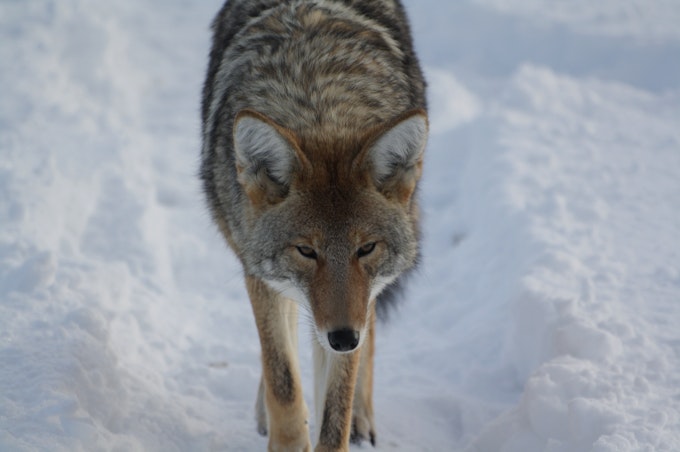
For a bunch of different reasons, the way humans depict and perceive coyotes is mostly negative: untrustworthy, tricksters, dangerous…ideas like those kind of drive the coyote narrative. It’s easy to get caught up on that kind of stuff, but when you dig a little deeper, you’ll find an intelligent animal with a unique story to tell. They are one of the most adaptable animals in the world. They can pretty much make a living anywhere: grasslands, forests, mountains, deserts and even within the boundaries of major cities.
As far as their ability to adapt and thrive as a species, they have one trait that kind of trumps everything else: Their litter size will change based off of the number of coyotes living in their area. If their area is overpopulated, litter size will decrease…but if coyote numbers are low, they’ll give birth to large litters of puppies. They have the ability to single-handedly manage their population.
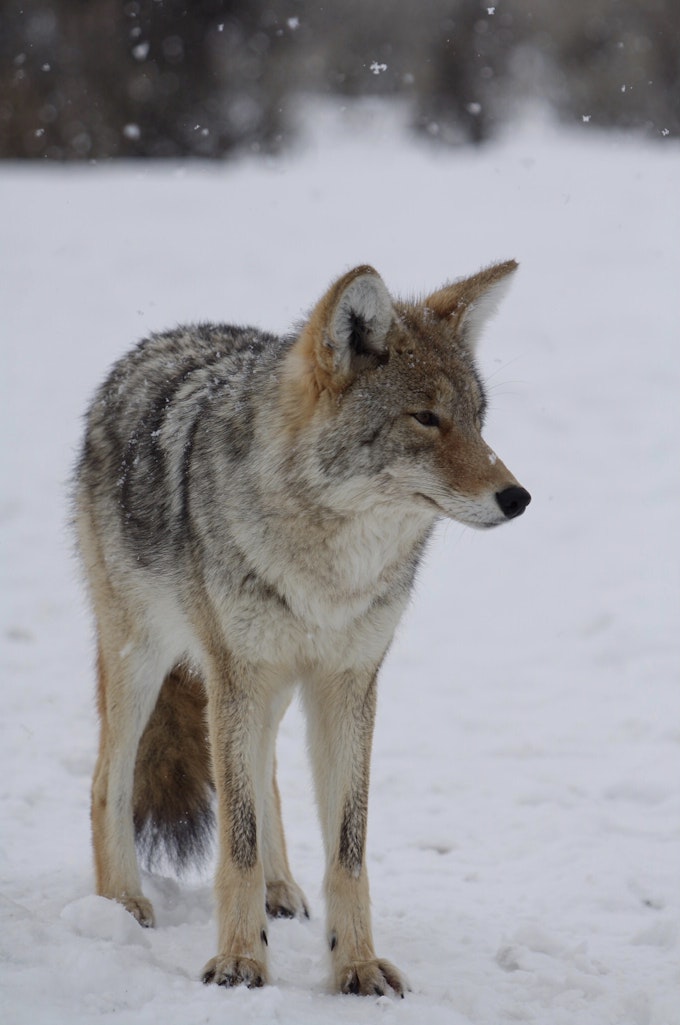
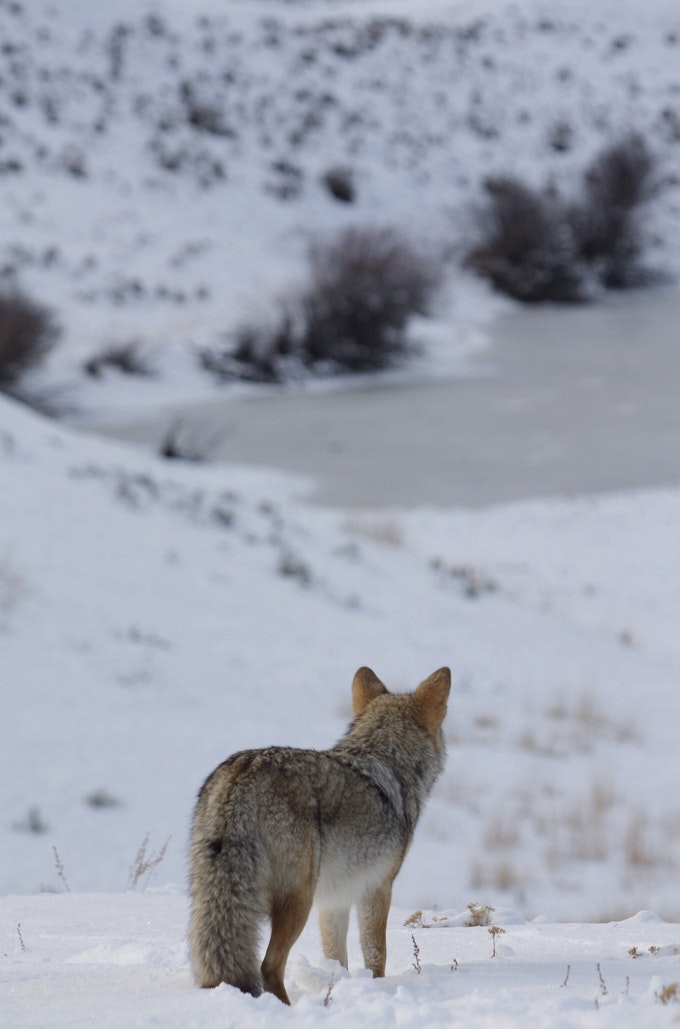
Where to see coyotes: You can find coyotes just about anywhere in the park year-round. Coyotes inhabit pretty much all of North America, so even if you’re not planning a trip to Yellowstone, it shouldn’t be too hard to view them in other locations.
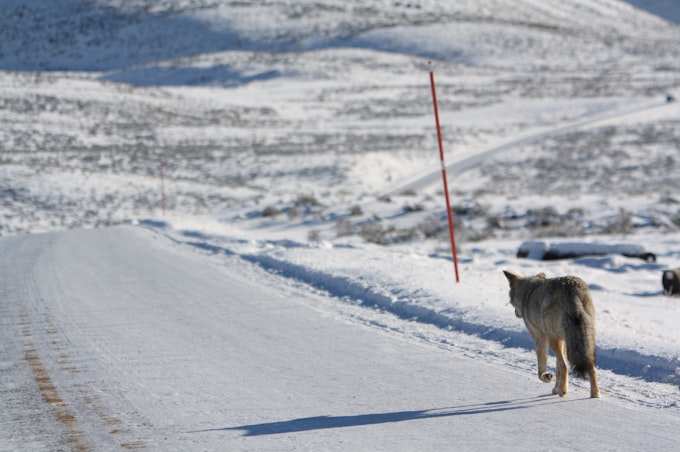
Reminder: Feeding wildlife is not ok (read more about why here). If you’d like to see them up close, binoculars, spotting scopes and telephoto lenses are the best bet…for you and the animal.